Ambrosia History: A Handwritten Font That Elevates Small Business Branding
Why Typography Matters for Your Small Business
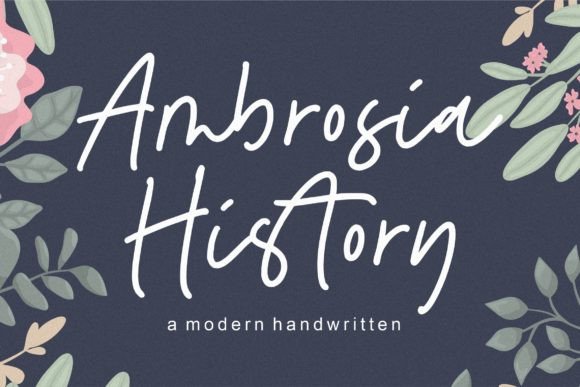
As a small business owner, every detail counts—especially when it comes to how your brand looks to the world. Typography might not be the first thing that comes to mind when you think about branding, but the right font can make a huge difference in how your business is perceived. Ambrosia History, a monoline handwritten script font, offers a clean and elegant style that can bring a sense of professionalism and personality to your brand across a variety of customer-facing materials.
What Makes Ambrosia History Stand Out
Ambrosia History is more than just a pretty script. Its smooth, flowing lines and balanced letterforms give it a timeless yet modern feel. Unlike overly ornate script fonts, this typeface maintains clarity and legibility while still carrying a sense of warmth and authenticity. It’s the kind of font that feels personal, yet polished—perfect for businesses that want to appear approachable without sacrificing professionalism.
Whether you're designing a logo, packaging, or social media graphics, Ambrosia History brings a touch of sophistication that helps your brand stand out in a crowded market. It’s especially well-suited for businesses in lifestyle, wellness, food, and creative industries where a human, handcrafted feel is important.
Real-World Uses for Ambrosia History in Your Branding
Let’s talk about how you can actually use this font in your day-to-day business. Here are some practical applications that can make a real impact:
- Logo Design – A clean, elegant script like Ambrosia History can be the centerpiece of a memorable logo, especially for boutique brands, bakeries, or lifestyle businesses.
- Packaging & Product Labels – From handmade candles to artisanal food products, this font adds a premium, handcrafted look that customers associate with quality.
- Social Media Graphics – Whether it's for Instagram stories or Pinterest pins, Ambrosia History helps your visual content feel more cohesive and on-brand.
- Website Banners & Email Headers – Use it as a display font to draw attention to headlines or key messages without overwhelming your audience.
- Thank-You Cards & Stickers – These small touches matter. A handwritten-style font gives your customer experience a personal, thoughtful edge.
How the Right Font Builds Brand Trust
Consistency is key when building a recognizable brand. Using the same font across your website, packaging, and marketing materials helps create a unified visual identity. Ambrosia History, as a script font with a modern twist, offers a balance between creativity and professionalism that can help your brand feel both trustworthy and distinctive.
For example, imagine you own a small café. Using Ambrosia History on your menu, signage, and Instagram posts creates a cohesive look that customers will start to associate with your unique brand experience. Or if you sell handmade skincare products, this font can help communicate care, quality, and attention to detail on your product labels and packaging.
When to Use Ambrosia History (And When to Pair It With Others)
While Ambrosia History is a beautiful font on its own, it works best when paired thoughtfully with other typefaces. Because it’s a script font, it’s ideal for headlines, logos, and accent text rather than long paragraphs. For body text or secondary information, consider pairing it with a clean sans serif or a readable serif font to maintain readability and visual harmony.
Here are a few pairing ideas:
- Ambrosia History + Montserrat – A modern sans serif that balances the elegance of the script without clashing.
- Ambrosia History + Playfair Display – For a more classic, editorial feel, especially in print or blog headers.
- Ambrosia History + Lato – A soft, approachable sans serif that keeps your design feeling modern and clean.
Readability in Real Business Contexts
One of the most important considerations when choosing a font is how well it reads in different contexts. Ambrosia History is designed to be legible even at smaller sizes, making it suitable for product labels, mobile screens, and printed materials. However, it’s best used at a size where its subtle details can shine—like on packaging or digital banners—rather than in dense blocks of text.
When designing for mobile, always test how the font appears on smaller screens. If you're using it in a digital ad or social media post, make sure the text is large enough to read quickly without zooming. The same goes for printed materials—test print your packaging or business cards to ensure the font looks as good in person as it does on screen.
Test Before You Commit
Before you overhaul your entire brand with Ambrosia History, it’s smart to test it in a few key places first. Try using it on a single product label, a sample social media post, or a mock-up of your website banner. Get feedback from customers or colleagues to see how it reads and whether it aligns with your brand personality.
Many font marketplaces offer preview tools where you can see how Ambrosia History looks on different backgrounds, in various sizes, and in different contexts. Take advantage of these tools to avoid surprises later on.
Check Licensing for Commercial Use
If you're planning to use Ambrosia History on physical products, packaging, digital downloads, or client work, make sure you have the appropriate commercial license. Not all fonts are cleared for commercial use, and using one without proper licensing can lead to legal issues down the line.
Always read the license agreement carefully before downloading or purchasing the font. Most premium fonts come with clear usage terms, and many are specifically designed for use in branding, packaging, and web design.
Make Ambrosia History Part of Your Brand Story
In the world of small business branding, details like typography often get overlooked. But the right font can help your brand feel more consistent, memorable, and aligned with your audience. Ambrosia History, with its elegant, handwritten style, offers a versatile and visually appealing option for entrepreneurs who want to elevate their brand identity without losing a personal touch.